Mechanical systems

Heating and cooling

Take the next step toward a more comfortable space.

What we plan your project around

  1. A focused diagnosis

    Start with symptoms, affected rooms and equipment details.

  2. A defined repair scope

    Separate equipment, airflow, electrical and drain concerns.

  3. A clear next step

    Identify the work and qualified trades the system needs.

From the first conversation

How the work takes shape.

Plan the work

  • Capture the symptoms

    • Record indoor and outdoor temperatures if available, thermostat settings, sounds, cycling, visible water, ice, or unusual smells.
  • Find the equipment

    • Photograph model and serial labels, filters, disconnect access, and the indoor and outdoor units without removing panels.
  • Separate system work

    • Duct, electrical, condensate, and refrigerant tasks are distinct.
    • Refrigerant-circuit work that may release refrigerant requires an EPA Section 608-certified technician.
Bring the details together

Start your estimate conversation with these project details.

  • System type and readable model/serial label

  • Rooms affected and when the problem occurs

  • Recent filter changes, maintenance, or repairs

See the full estimate checklist
Record
Make, model, system type
Describe
When and where symptoms occur
Check
Filter and thermostat basics
Assign
Refrigerant work to qualified staff

How to scope it

Read the system before changing the scope.

Heating and cooling trouble may come from controls, airflow, a drain, duct leakage, equipment condition, or a refrigerant-side fault. Note when the issue starts, what the thermostat shows, and whether one room or the whole building is affected; do not open sealed equipment or handle refrigerant yourself.

For stationary HVAC and refrigeration equipment, EPA Section 608 certification applies to technicians whose work could release regulated refrigerant.

Planning your heating and cooling project

A heating or cooling inquiry should explain what the system is doing and which rooms are affected. Record when the issue occurs and whether it changes with thermostat settings or outdoor conditions. Equipment labels and service history help make the first conversation more specific without requiring you to open equipment panels.

Symptoms and history

Describe unusual cycling, sounds or visible water and note recent maintenance or changes to the building. Keep observations separate from an assumed diagnosis.

Defining the request

Clarify whether the discussion concerns existing equipment, airflow, controls or replacement planning. Ask which assessment and trade responsibilities are included before assuming every connected system is covered.

What affects the estimate?

The estimate should describe the work area, existing conditions and agreed finish. Two proposals can cover different preparation or completion tasks even when their headline descriptions sound similar. Ask which items are included, which are optional and which depend on a closer look at the property.

  • Capture the symptoms: Record indoor and outdoor temperatures if available, thermostat settings, sounds, cycling, visible water, ice, or unusual smells.
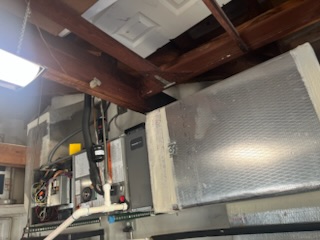
  • Find the equipment: Photograph model and serial labels, filters, disconnect access, and the indoor and outdoor units without removing panels.
  • Separate system work: Duct, electrical, condensate, and refrigerant tasks are distinct. Refrigerant-circuit work that may release refrigerant requires an EPA Section 608-certified technician.
Information to send with your request

Send an overview of the space alongside close-up photographs. Include measurements where available, and label approximate dimensions as estimates. The following details help focus the conversation:

  • System type and readable model/serial label.
  • Rooms affected and when the problem occurs.
  • Recent filter changes, maintenance, or repairs.
  • Access restrictions, operating hours, and any water or ice.

Agree on the sequence before work starts

  1. Confirm the scope. Identify the exact areas involved, retained items, selected products and the intended finished condition. Record any unresolved questions before arranging the work.
  2. Coordinate access. Discuss delivery, parking, storage, occupied areas and any other work taking place at the property. Explain timing constraints early so they can be considered in the plan.
  3. Record changes. If the condition or requested work changes, ask how that affects the scope, price and timing before additional work proceeds.
  4. Define completion. Agree on cleanup, remaining materials, product information and the handoff to you or the next trade. Keep those details with the estimate for reference.

To discuss heating and cooling with A&J Landscaping & Development Inc., use the estimate checklist and send a project inquiry. Include the property location and the work you want done so the next conversation can address your actual project.

Maintenance and repair answer different questions

The Department of Energy's cooling guidance identifies filters, coils and drain channels among the components involved in routine maintenance, with professional help for work beyond basic care. A maintenance history helps establish context, but it does not by itself diagnose why a system is failing to keep a room comfortable.

Tell the person assessing the system when filters were last changed, what service has been performed and whether the problem is intermittent. Keep equipment labels and records accessible. The goal is to describe what has happened clearly rather than guessing which component needs replacement.

Room comfort and equipment operation

Describe the pattern across the building. Is one room affected, an entire floor or every occupied area? Note when discomfort is most noticeable and whether doors, sunlight or room use change the experience. These observations help frame a more useful conversation than simply saying the unit is not working well.

Explain any recent changes such as a room conversion, new windows or altered occupancy. If an area was added to the building, identify whether the heating or cooling arrangement changed at the same time. Share those facts before a repair or replacement scope is proposed.

Replacement discussions need a complete scope

When asking about replacement, request an explanation of what the proposal includes beyond the equipment itself. Discuss removal, connections, controls, duct interfaces and any access work. Identify which elements will remain so their condition can be considered with the new equipment.

Do not compare proposals only by the unit's brand name. Ask who will confirm the equipment selection for the building and how the completed installation will be checked. Record warranty information and maintenance responsibilities separately from any expected energy savings.

Service records and handoff

At completion, keep the equipment model, serial number and service description together. Ask for an explanation of the controls and the care tasks appropriate for the installed system. Confirm how to arrange follow-up if the original symptom returns.

For occupied businesses or shared properties, identify who receives instructions and who has access to the equipment. A written record of the work is particularly useful when a property manager, tenant and owner all have different responsibilities for operation and maintenance.

Make the estimate useful

Record the symptoms before the visit.

Email about heating and cooling
  1. 01System type and readable model/serial label
  2. 02Rooms affected and when the problem occurs
  3. 03Recent filter changes, maintenance, or repairs
  4. 04Access restrictions, operating hours, and any water or ice

Project imagery

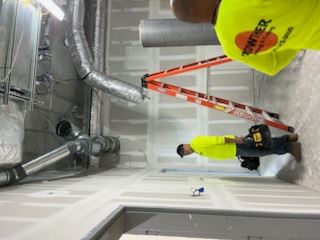
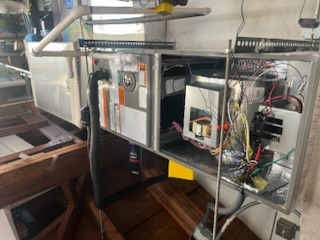
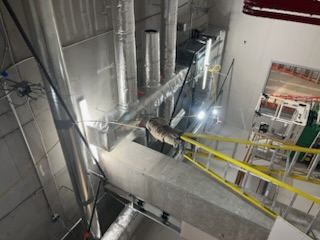
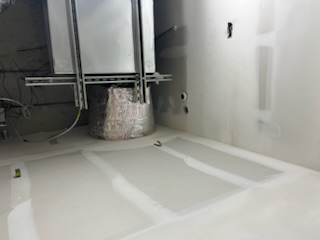
Equipment and access details
in view.

Look closely at the material, access, and finish involved in this kind of work.

Technical reading

Trade and equipment guidance

The difference is in the details

A rough idea. A defined heating and cooling plan.

An incomplete brief

What still needs an answer

  • The work area, existing condition and access are unclear.
  • Materials and preparation are left out of the scope.
  • Completion details and responsibilities have not been agreed.

A defined project

What to put in the plan

  • A focused diagnosis. Start with symptoms, affected rooms and equipment details.
  • A defined repair scope. Separate equipment, airflow, electrical and drain concerns.
  • A clear next step. Identify the work and qualified trades the system needs.
  1. Training

    Read the course records

    • Rachee Johnson’s NCDOT course completions cover business insights and bidding, drones and construction surveying, and pipe installation and erosion control.
    View completion certificates →
  2. Scope

    Start with the actual conditions

    • System type and readable model/serial label.
    • Rooms affected and when the problem occurs.
    See the estimate checklist →

Define your project

Heating and cooling: scopes to discuss

  1. Comfort concerns
  2. Equipment issues
  3. Airflow concerns
  4. System planning

Before work begins

Three details to agree for heating and cooling

  1. Capture the symptoms

    • Record indoor and outdoor temperatures if available, thermostat settings, sounds, cycling, visible water, ice, or unusual smells.
  2. Find the equipment

    • Photograph model and serial labels, filters, disconnect access, and the indoor and outdoor units without removing panels.
  3. Separate system work

    • Duct, electrical, condensate, and refrigerant tasks are distinct. Refrigerant-circuit work that may release refrigerant requires an EPA Section 608-certified technician.
Ready to discuss heating and cooling?

Contact A&J Landscaping & Development Inc. with your project details.

  • Share the property location, photos and measurements so the conversation starts with the actual space.
  • Describe your priorities, preferred materials and access restrictions, including any areas that need to remain in use.
  • Ask which preparation, supplies, cleanup and trade responsibilities belong in the estimate before agreeing to the work.
Request an estimate Browse all services →

Trade-specific questions

Frequently asked questions

Can a photo diagnose a heating or cooling problem?

A photo helps identify equipment and access but cannot verify charge, airflow, electrical condition, or the cause of a symptom. That needs the appropriate on-site checks.

Should I keep restarting a unit that trips or freezes?

Repeated resets can obscure the fault or worsen damage. Record what happens and arrange qualified assessment; follow the equipment’s safety instructions.

What details help with a service request?

Note the equipment model if visible, symptoms, error messages, affected rooms and when the issue began. Avoid opening equipment for photos.

Could uneven temperatures be an airflow issue?

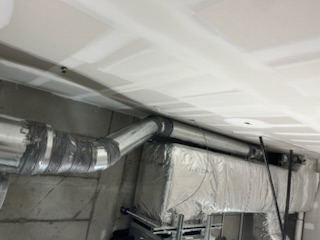
Possibly. Duct condition, registers, controls, insulation and equipment performance can all contribute, so the cause needs assessment.

When should replacement be discussed?

A repair-versus-replacement decision depends on equipment condition, performance, repair scope and your goals. Request options with the assumptions explained.