Landscape & site work

Landscaping and turf

Bring your yard into focus, from preparation to finish.

What we plan your project around

  1. A prepared base

    Review soil, drainage and ground preparation first.

  2. A considered layout

    Plan edges, planting areas, seams and transitions.

  3. Care that fits the space

    Choose materials with use and maintenance in mind.

From the first conversation

How the work takes shape.

Plan the work

  • Measure the complete area

    • Sketch boundaries, obstacles, trees, gates, slopes, drains, and edges.
    • Measure separate zones rather than estimating from a single rough square-foot number.
  • Set the sub-base plan

    • Removal depth, soil type, drainage, base material, compaction, edging, and transitions decide how the finished surface performs.
  • Choose the finish

    • Review turf fiber, pile, infill and seam layout or plant species, spacing, and maintenance.
    • Confirm product samples in the actual light and surface use.
Bring the details together

Start your estimate conversation with these project details.

  • A dimensioned sketch with obstacles marked

  • Photos after rain if pooling or runoff is a concern

  • Turf sample or plant list, if already selected

See the full estimate checklist
Choose
Natural or synthetic surface
Inspect
Slope and drainage
Prepare
Soil, base, edges
Finish
Seams, infill, planting

How to scope it

Start at the property line and follow the water.

For turf, identify the area, intended traffic, pets, shade, water movement, and the edge conditions. For planting, identify sun exposure, soil, irrigation, maintenance, and the mature size of the plants. Keep drainage and nearby property lines in view while comparing materials.

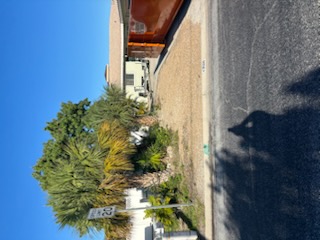
The supplied outdoor walkthrough shows a paver patio and landscaped yard. It is a useful view of an outdoor space, not a specification for this property.

Planning your landscaping and turf project

Landscaping and turf work should connect the desired appearance to how the yard is used. Describe foot traffic, pets, shade, existing planting and maintenance preferences. Mark the areas intended for lawn, artificial turf, planting beds and access instead of describing the entire property as one surface.

Materials and edges

Discuss plant choices or turf samples together with the borders around them. Trees, gates, paths and existing irrigation should appear in the plan so transitions can be considered early.

Preparation and care

Include removal, soil or base preparation and the intended drainage route in the scope. Ask for product-specific care information and agree which ongoing maintenance responsibilities remain with the owner.

What affects the estimate?

The estimate should describe the work area, existing conditions and agreed finish. Two proposals can cover different preparation or completion tasks even when their headline descriptions sound similar. Ask which items are included, which are optional and which depend on a closer look at the property.

  • Measure the complete area: Sketch boundaries, obstacles, trees, gates, slopes, drains, and edges. Measure separate zones rather than estimating from a single rough square-foot number.
  • Set the sub-base plan: Removal depth, soil type, drainage, base material, compaction, edging, and transitions decide how the finished surface performs.
  • Choose the finish: Review turf fiber, pile, infill and seam layout or plant species, spacing, and maintenance. Confirm product samples in the actual light and surface use.
Information to send with your request

Send an overview of the space alongside close-up photographs. Include measurements where available, and label approximate dimensions as estimates. The following details help focus the conversation:

  • A dimensioned sketch with obstacles marked.
  • Photos after rain if pooling or runoff is a concern.
  • Turf sample or plant list, if already selected.
  • Pet, play, shade, watering, and maintenance needs.

Agree on the sequence before work starts

  1. Confirm the scope. Identify the exact areas involved, retained items, selected products and the intended finished condition. Record any unresolved questions before arranging the work.
  2. Coordinate access. Discuss delivery, parking, storage, occupied areas and any other work taking place at the property. Explain timing constraints early so they can be considered in the plan.
  3. Record changes. If the condition or requested work changes, ask how that affects the scope, price and timing before additional work proceeds.
  4. Define completion. Agree on cleanup, remaining materials, product information and the handoff to you or the next trade. Keep those details with the estimate for reference.

To discuss landscaping and turf with A&J Landscaping & Development Inc., use the estimate checklist and send a project inquiry. Include the property location and the work you want done so the next conversation can address your actual project.

Choose the lawn approach for the site

NC State Extension explains that grass selection, establishment method and planting season belong together. Seed, sod, plugs and sprigs are different approaches, and soil preparation matters before any of them is installed. Local climate and the conditions of the actual yard should guide the selection. NC State Extension: establishing and maintaining lawns.

Describe the areas used for walking, play, pets and occasional vehicle access separately. Mark shaded portions and places that remain wet. When requesting artificial turf instead of living grass, identify that explicitly so its base, edge and maintenance requirements can be discussed as a separate system.

Map the boundaries before selecting materials

A usable yard plan includes paths, gates, tree trunks, downspouts, planting beds and changes in level. Measure individual zones and show where materials meet. A single total area may conceal narrow strips, curved edges or difficult access that affect the work.

For a mixed landscape, name the intended surface in each zone. Clarify whether existing edging remains and whether beds will be reshaped. Bring photographs taken from several viewpoints so the relationship between the house, yard and street is visible.

Agree on preparation and material supply

Ask who removes the existing surface and how that material will leave the property. Identify whether the scope includes soil changes, base preparation, edging and final surface installation. If you have already purchased turf or plants, share the product information and delivery arrangements.

For planting, discuss the selected species and intended spacing rather than only the number of plants. For synthetic turf, ask for the product specification and the proposed seam and edge arrangement. Keep substitutions subject to agreement so a last-minute availability issue does not silently change the result.

A new landscape needs a handoff plan

Before installation, decide who will handle initial care and ongoing maintenance. Ask for instructions specific to the selected plants or turf and keep them with the product records. Identify access requirements for mowing, cleaning or maintaining irrigation so the finished layout remains practical.

At the final walkthrough, review boundaries, transitions and any remaining materials. Discuss how to report settlement, damaged edging or a concern after rainfall. Photographs of the finished zones create a useful reference for later maintenance and future additions.

Make the estimate useful

Bring a sketch of the site and its edges.

Email about landscaping and turf
  1. 01A dimensioned sketch with obstacles marked
  2. 02Photos after rain if pooling or runoff is a concern
  3. 03Turf sample or plant list, if already selected
  4. 04Pet, play, shade, watering, and maintenance needs

Project imagery

Ground, access, and drainage
in view.

Look closely at the material, access, and finish involved in this kind of work.

Technical reading

Landscape and site-planning guidance

The difference is in the details

A rough idea. A defined landscaping and turf plan.

An incomplete brief

What still needs an answer

  • The work area, existing condition and access are unclear.
  • Materials and preparation are left out of the scope.
  • Completion details and responsibilities have not been agreed.

A defined project

What to put in the plan

  • A prepared base. Review soil, drainage and ground preparation first.
  • A considered layout. Plan edges, planting areas, seams and transitions.
  • Care that fits the space. Choose materials with use and maintenance in mind.
  1. Training

    Read the course records

    • Rachee Johnson’s NCDOT course completions cover business insights and bidding, drones and construction surveying, and pipe installation and erosion control.
    View completion certificates →
  2. Scope

    Start with the actual conditions

    • A dimensioned sketch with obstacles marked.
    • Photos after rain if pooling or runoff is a concern.
    See the estimate checklist →

Define your project

Landscaping and turf: scopes to discuss

  1. Natural lawn
  2. Artificial turf
  3. Planting beds
  4. Landscape edges

Before work begins

Three details to agree for landscaping and turf

  1. Measure the complete area

    • Sketch boundaries, obstacles, trees, gates, slopes, drains, and edges. Measure separate zones rather than estimating from a single rough square-foot number.
  2. Set the sub-base plan

    • Removal depth, soil type, drainage, base material, compaction, edging, and transitions decide how the finished surface performs.
  3. Choose the finish

    • Review turf fiber, pile, infill and seam layout or plant species, spacing, and maintenance. Confirm product samples in the actual light and surface use.

Ready to discuss landscaping and turf?

Contact A&J Landscaping & Development Inc. with your project details.

  • Share the property location, photos and measurements so the conversation starts with the actual space.
  • Describe your priorities, preferred materials and access restrictions, including any areas that need to remain in use.
  • Ask which preparation, supplies, cleanup and trade responsibilities belong in the estimate before agreeing to the work.
Request an estimate Browse all services →

Trade-specific questions

Frequently asked questions

Does artificial turf eliminate drainage problems?

No. Drainage depends on the ground, base, slope, and a suitable outlet. Turf can hide ponding if the underlying water path is not addressed.

Can natural and artificial turf go in the same plan?

Yes, if the edge, elevation, water, and maintenance transitions are designed together. Mark which areas need a hard edge, irrigation, or vehicle access.

What preparation does a new lawn need?

Review drainage, soil condition, grading, weeds, irrigation and access before choosing sod, seed or artificial turf.

How should the edge of artificial turf be finished?

Agree on borders, seams, transitions, drainage and how the turf meets paving or planting beds before installation.

What maintenance should I expect afterward?

Natural and artificial turf need different care. Ask for a project-specific plan covering watering or cleaning, traffic and repairs.